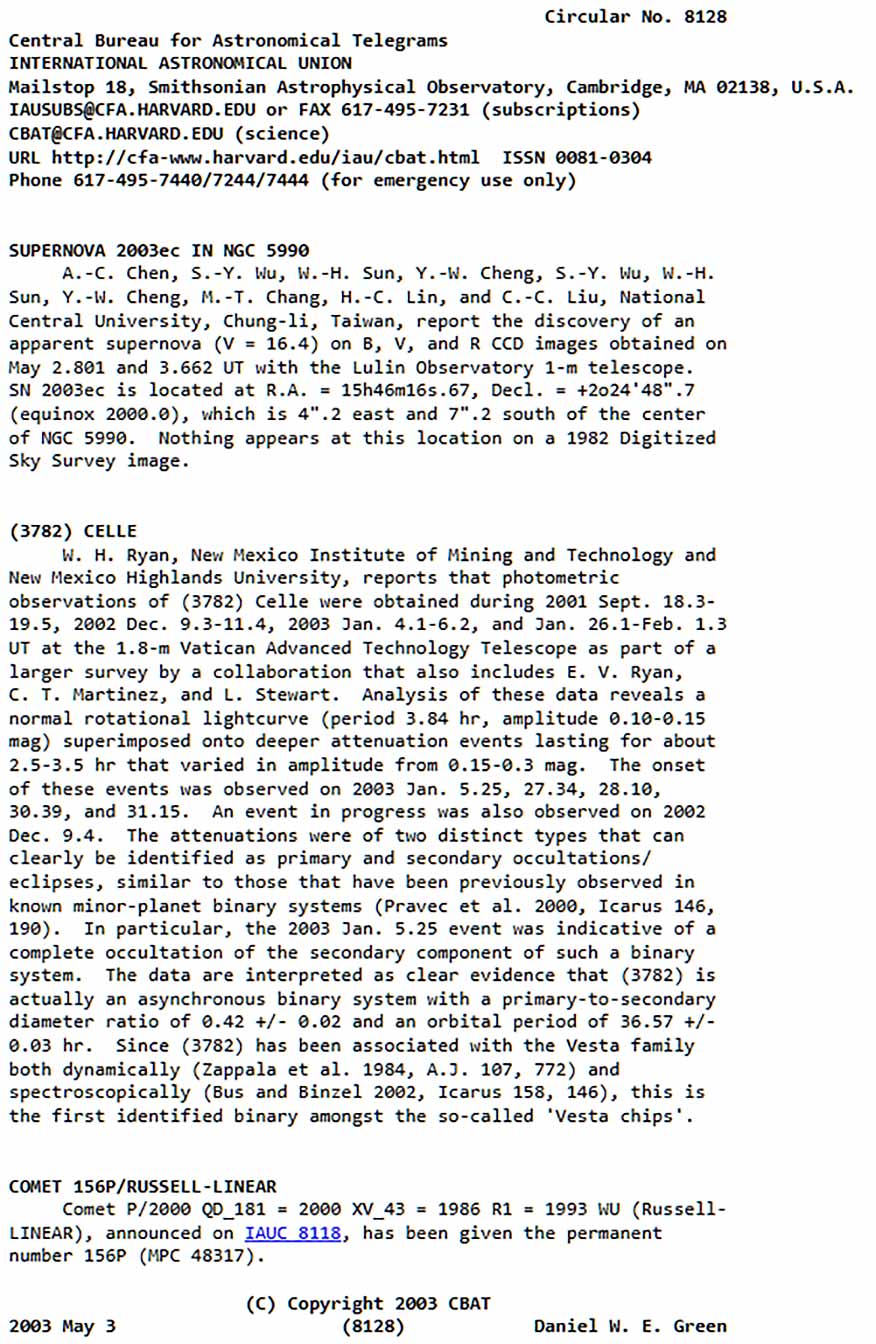
This is a bright occultation with a good duration, and for our Santa Cruz group, got lost in the excitement over the brilliant Mu Ceti occultation 3 hours earlier, but deserves a good turnout to see if we can record the first observed occultation by its moon -a moon of about half the diameter of the main body, according to photometry and mutual eclipses observed in the 2001 - 2003 time frame. See the link above to the Wikipedia article. A CBET was published on the photometry showing the moon. CBET 8128.
Alt=52, Az=177
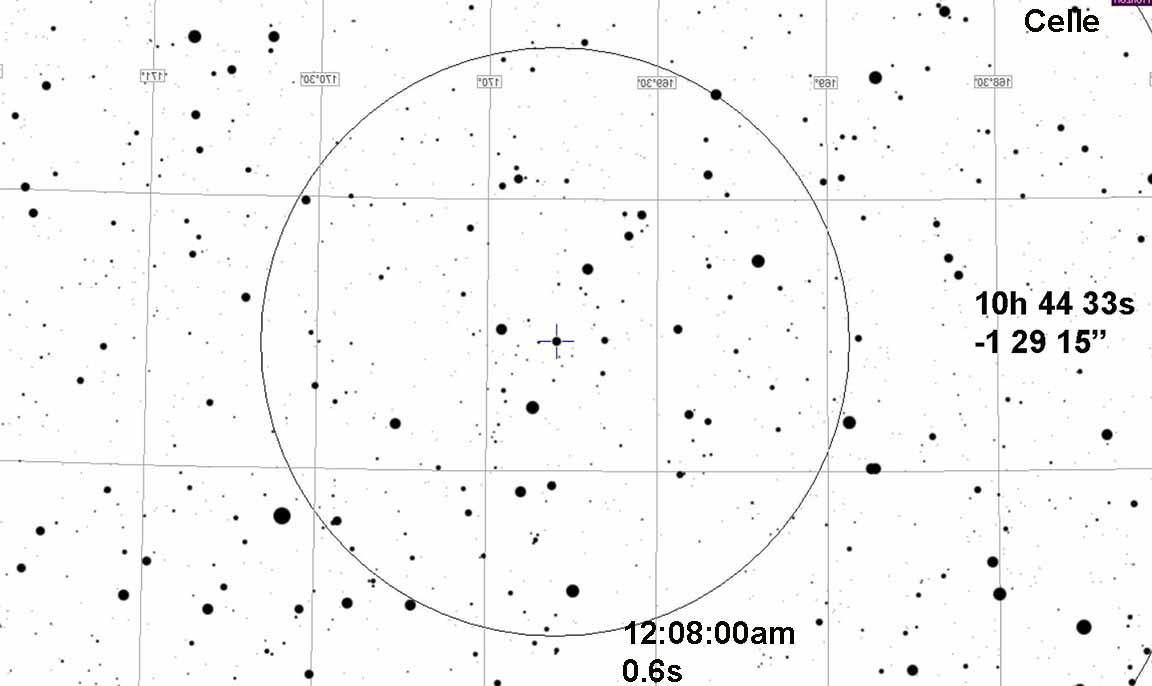
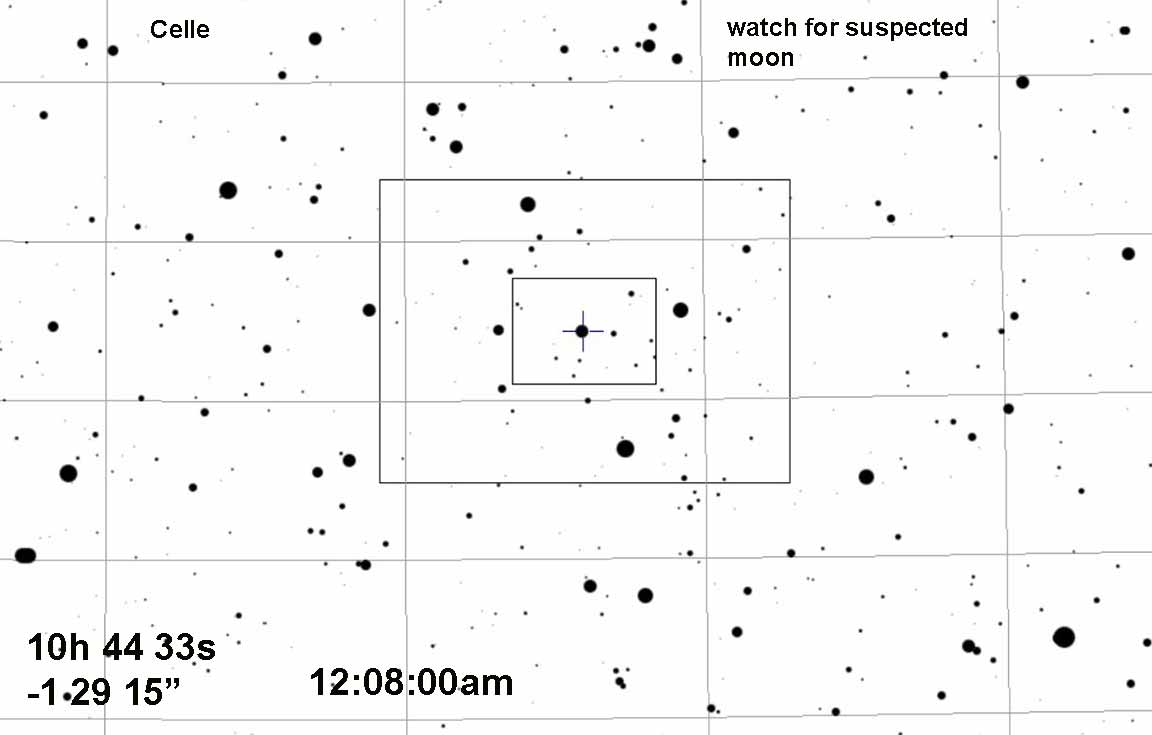
C2A finder charts for the Watec 910hx camera and Q70 32mm eyepiece with 2" diagonal in the Celestron 8SE scopes that the Santa Cruz team uses, are below.
|
|
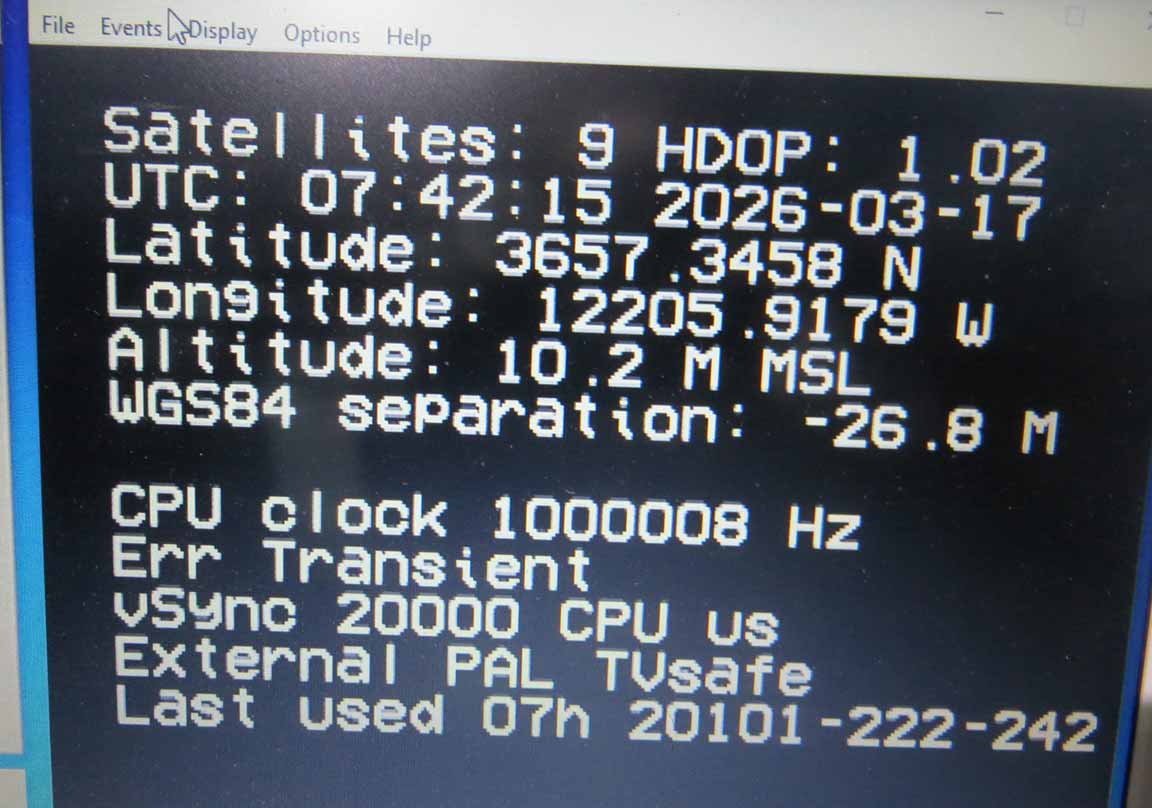
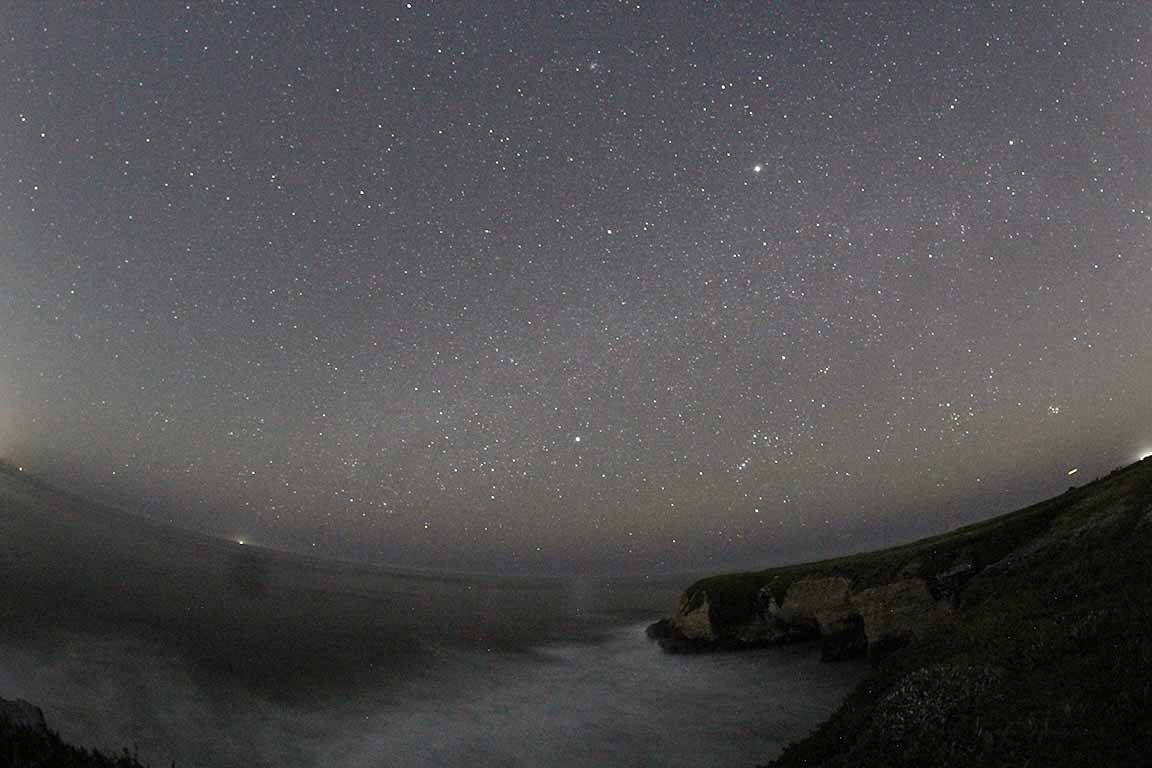
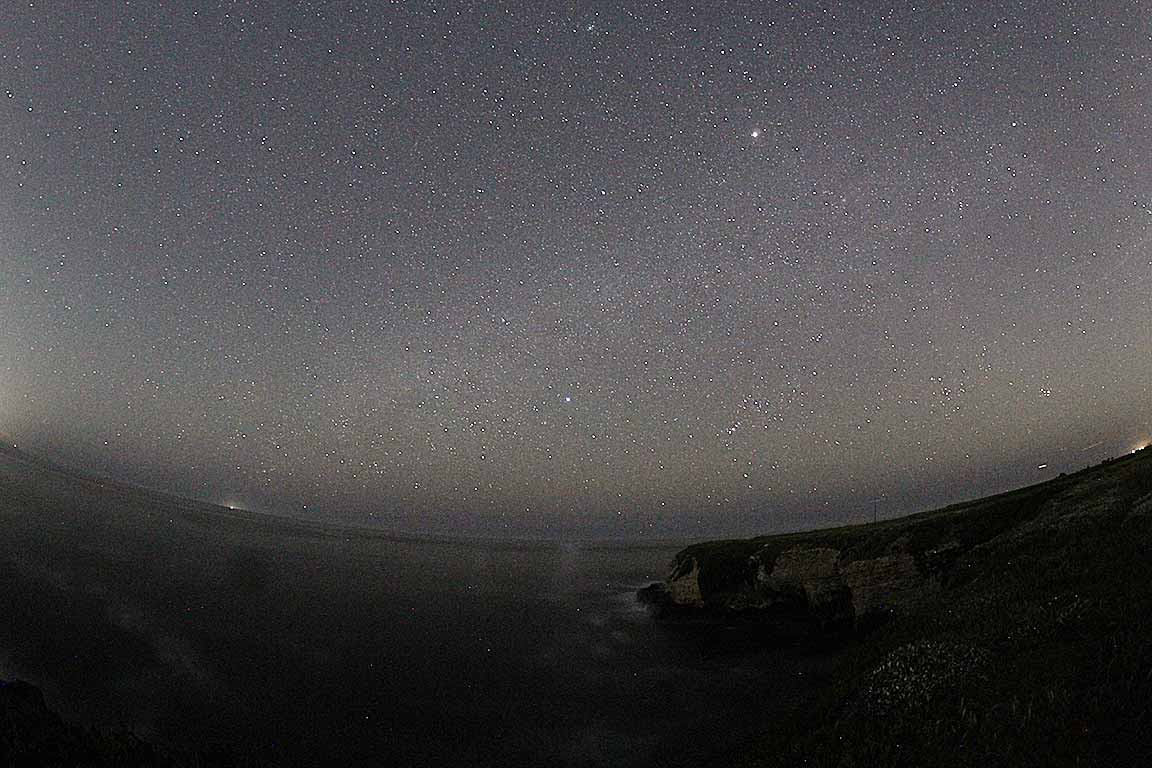
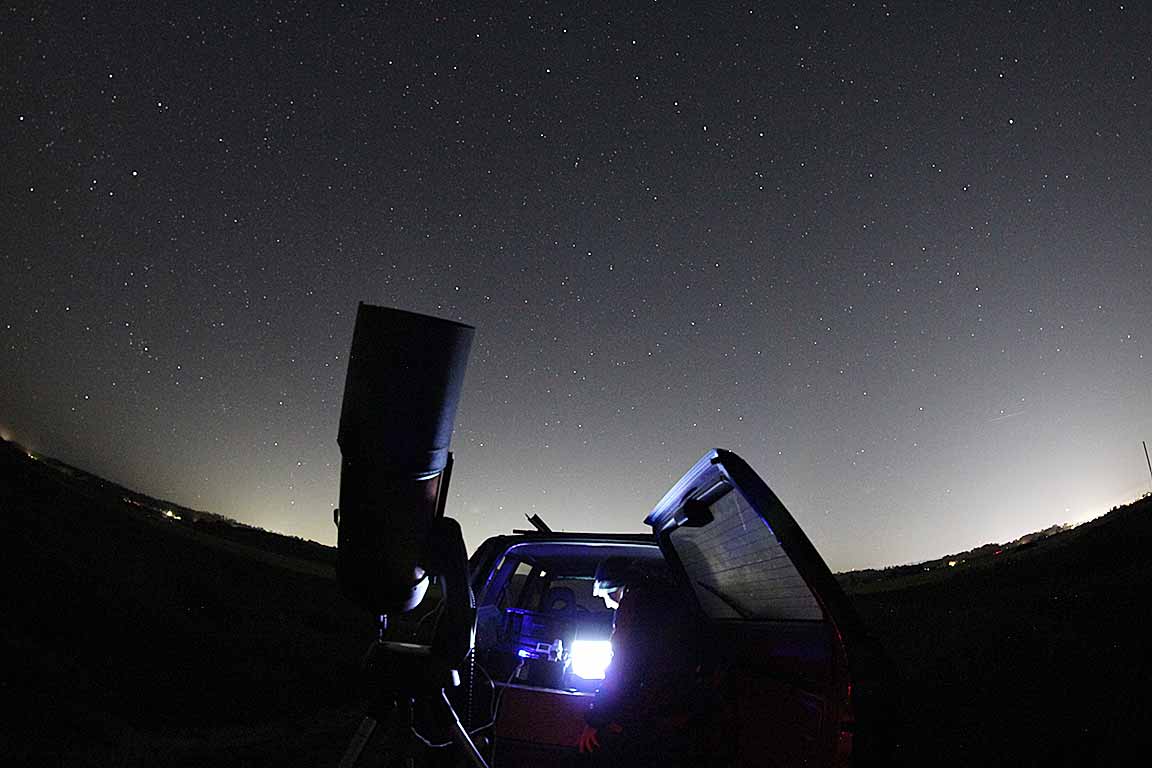
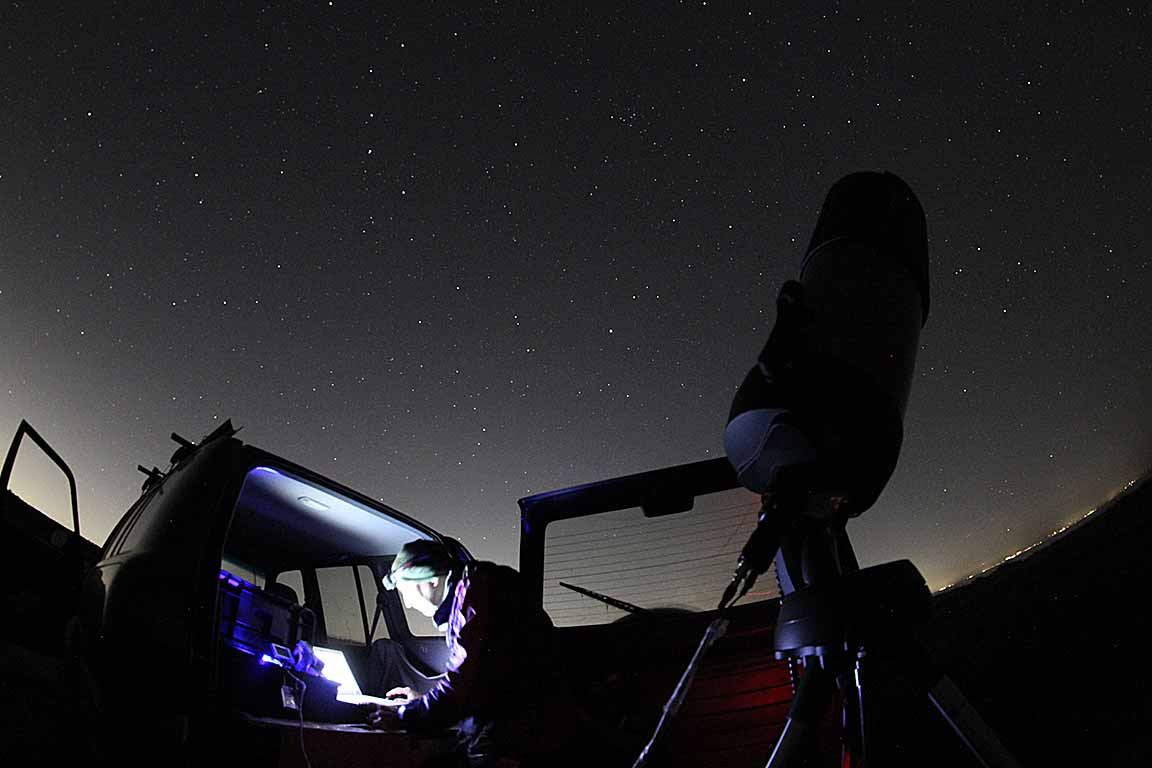
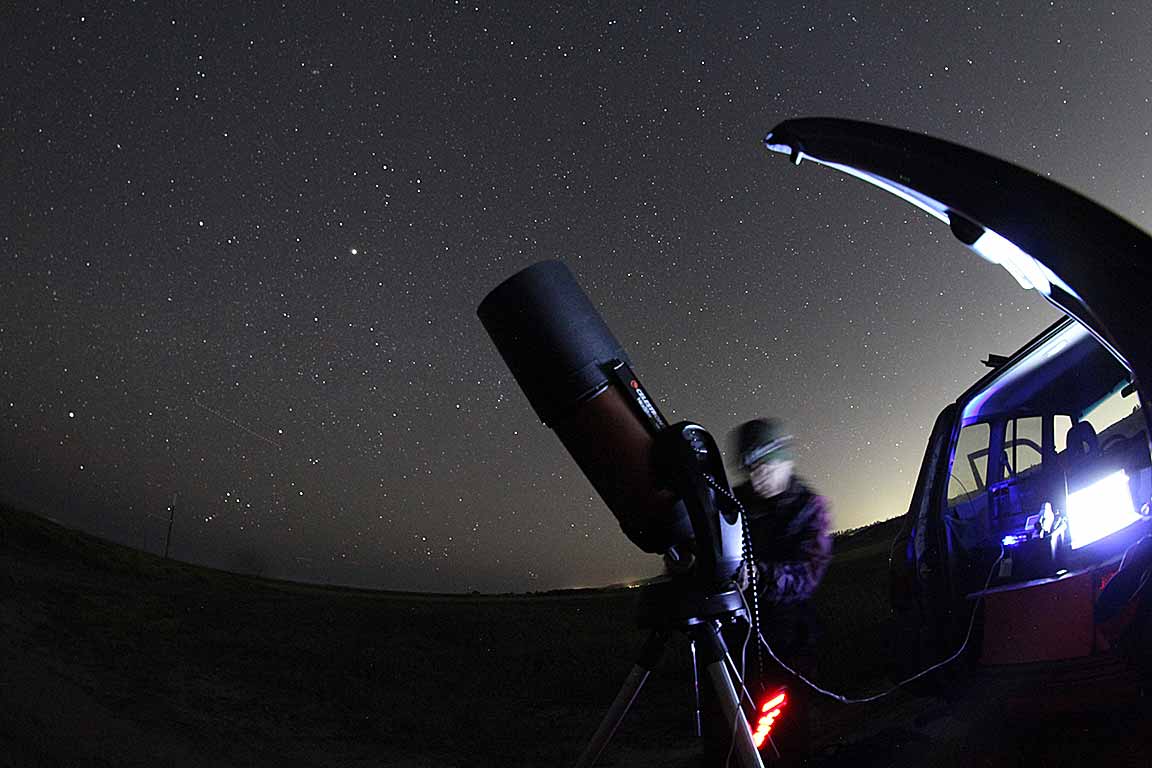
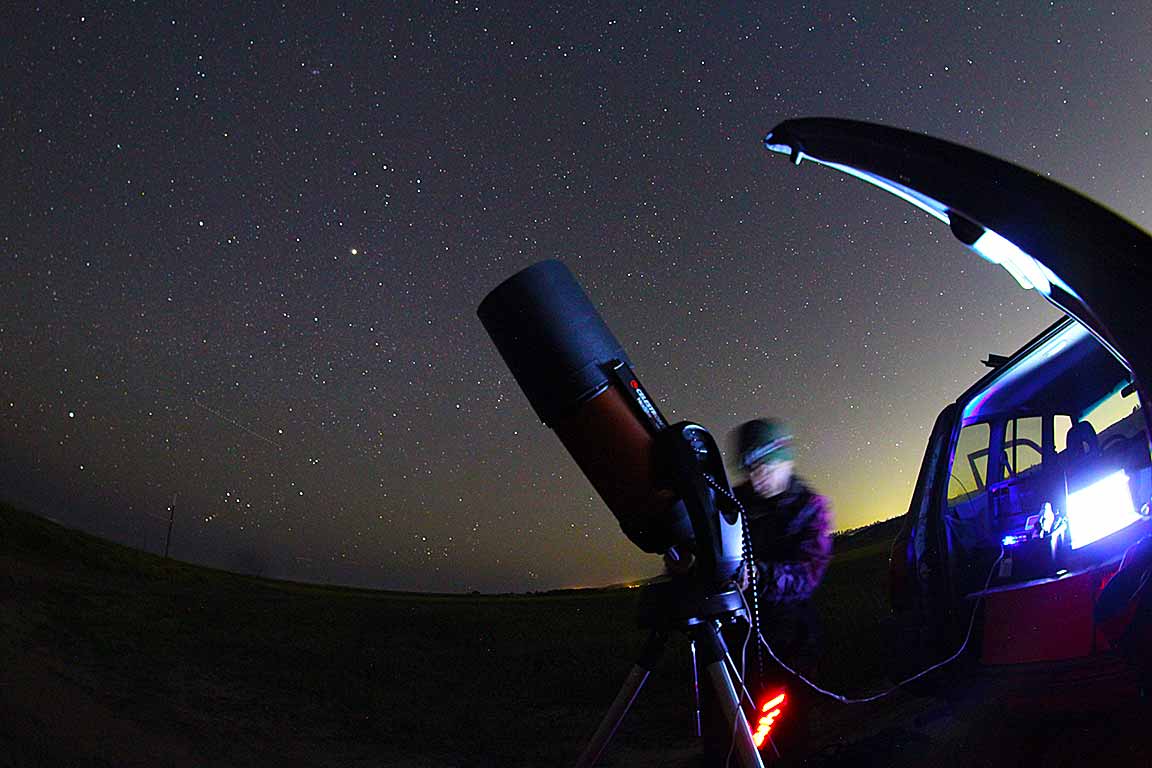
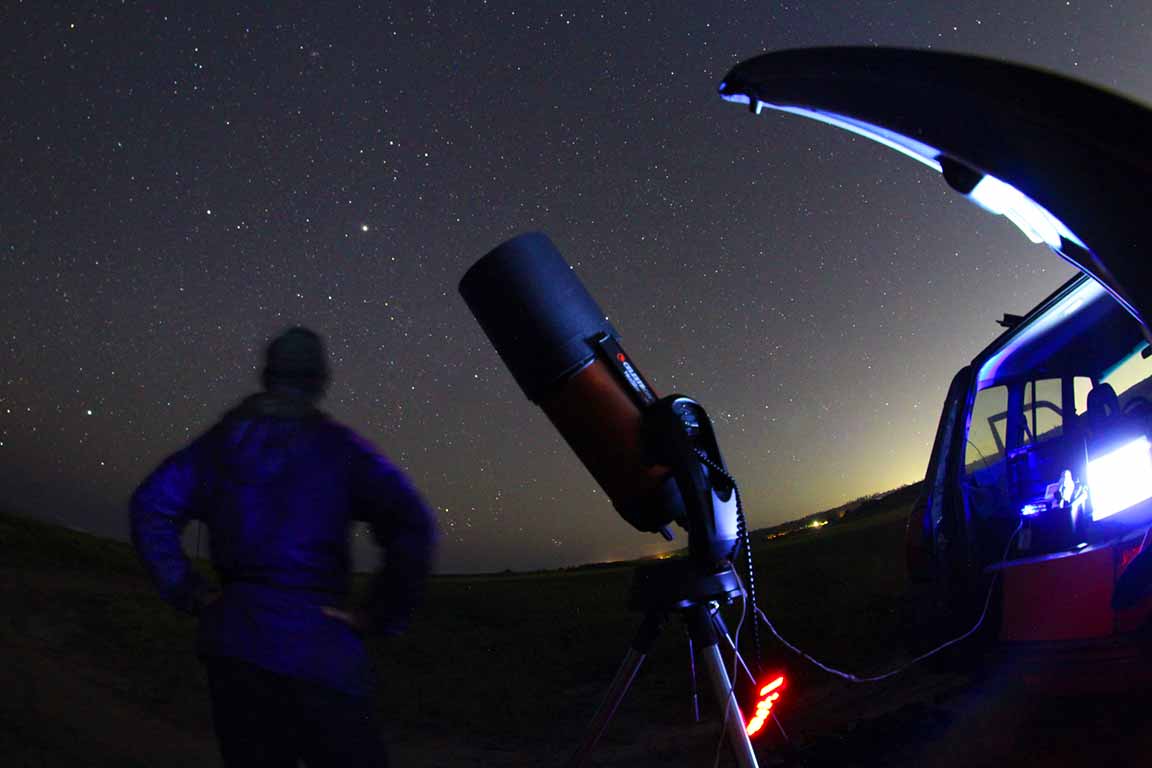
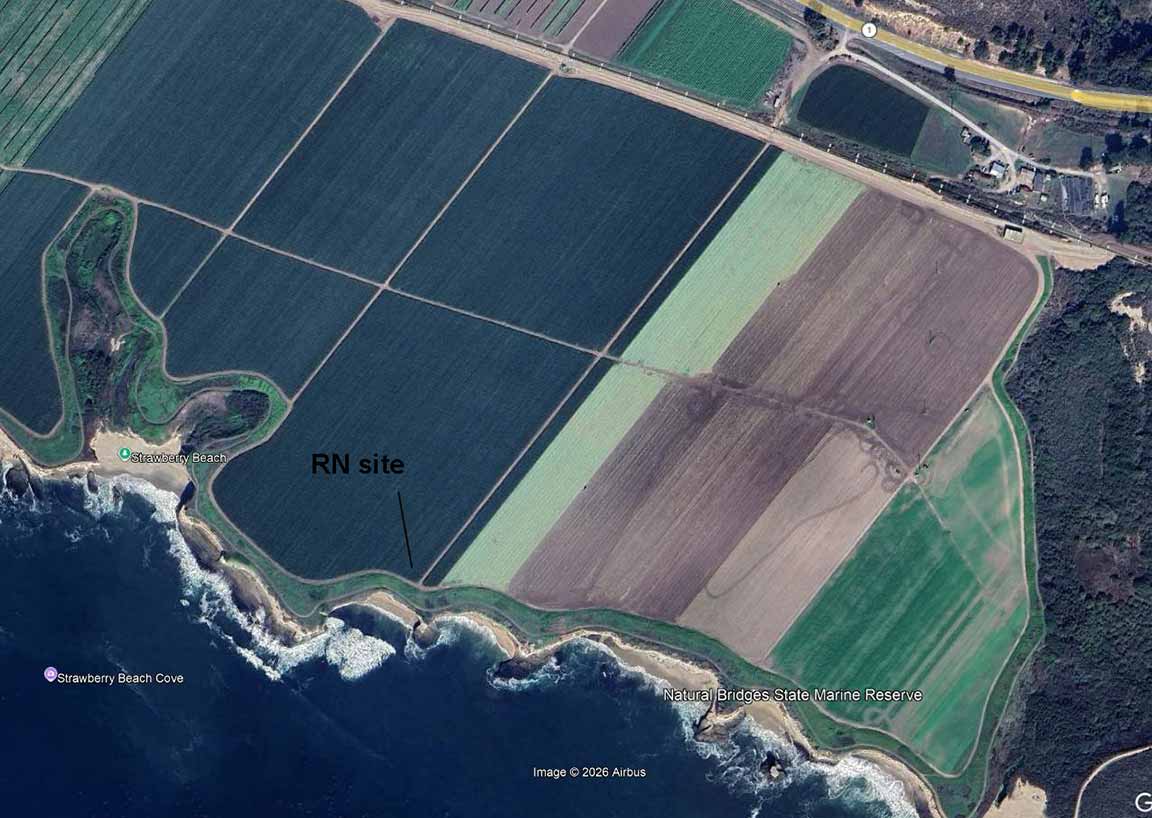
I made a good recording at 1x , gain=41, Gamma=1, sharpness=4 (Watec 910hx settings) from the southern end of a narrow 1-lane dirt agricultural road that began about a mile or less northwest of the main entrance to Wilder Ranch on Hwy 1. I'd planned to just set up near Hwy 1 on this road assuming deeper penetration into the shadow would not be possible. But, t there were no barriers to just keep driving south, deeper into the shadow path for another 1/2 mile until it "T"'d into the trail that winds along the beach cliffs from Wilder Ranch and is used for the Santa Cruz Ironman run course. I set up about 50 yd from the cliff. Long/lat was photographed using the "position" setting on the IOTA VTI, and on my Canon PowerShot camera chip. No clouds that I could see. Very dark skies. Damp, cool, no wind.
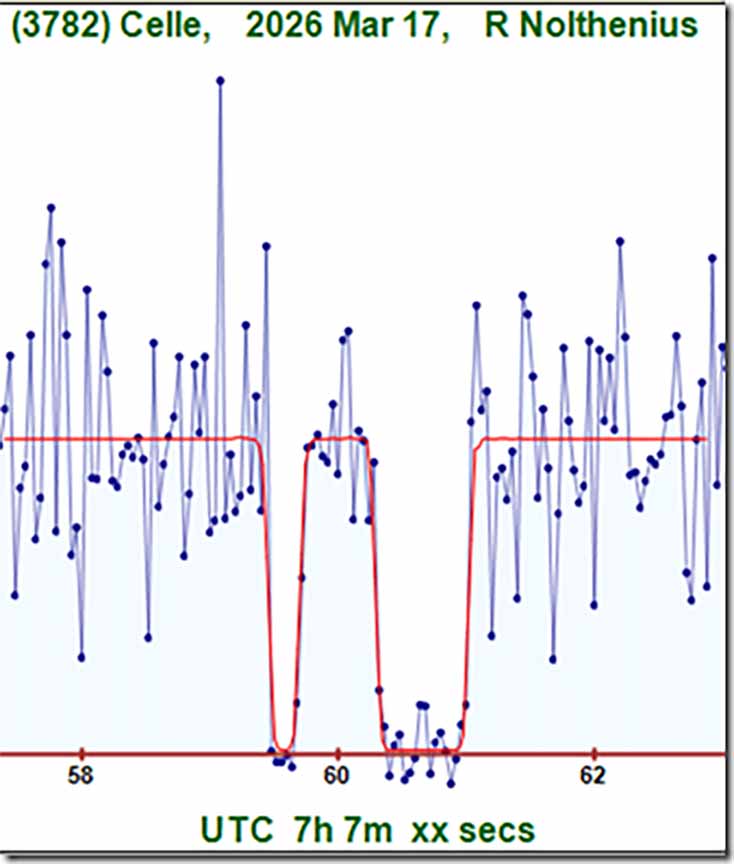
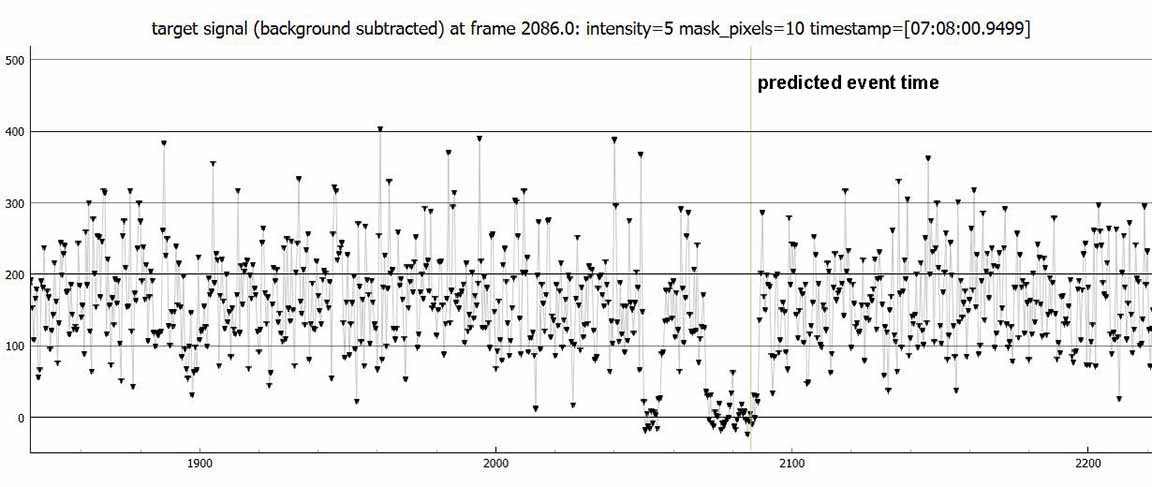
There was a clear double occultation visually seen live on the Lenovo screen. It appeared the first "R" was gradual. Let's see how it reduces...
 |
 |
 |
 |
 |
 |
 |
 |
 |
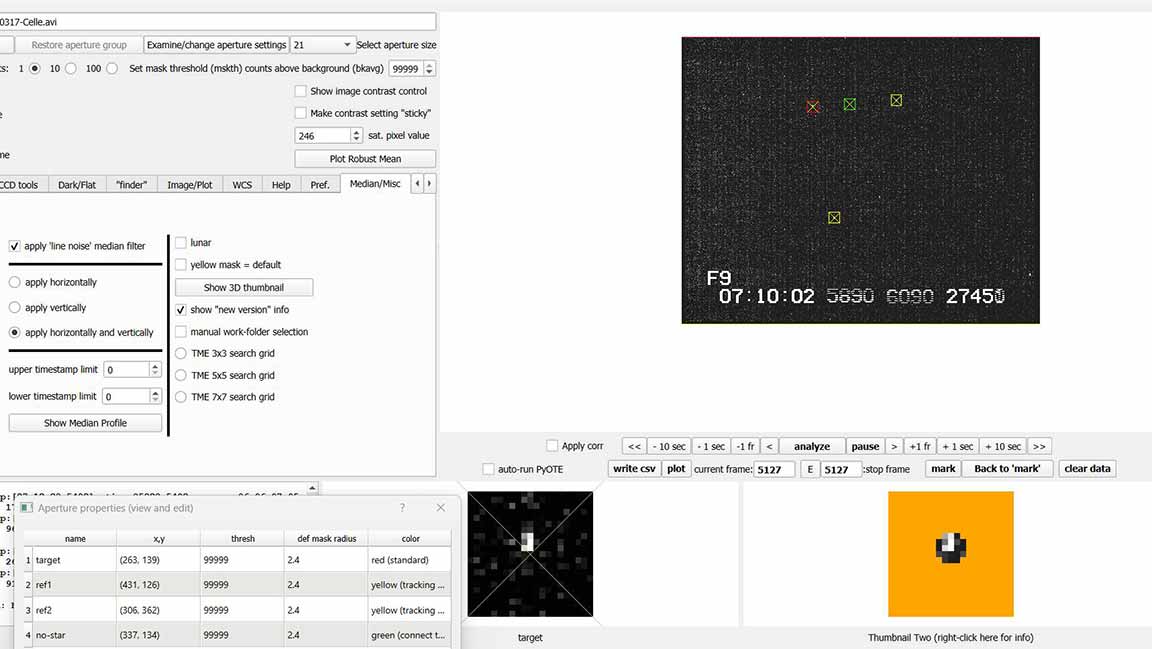
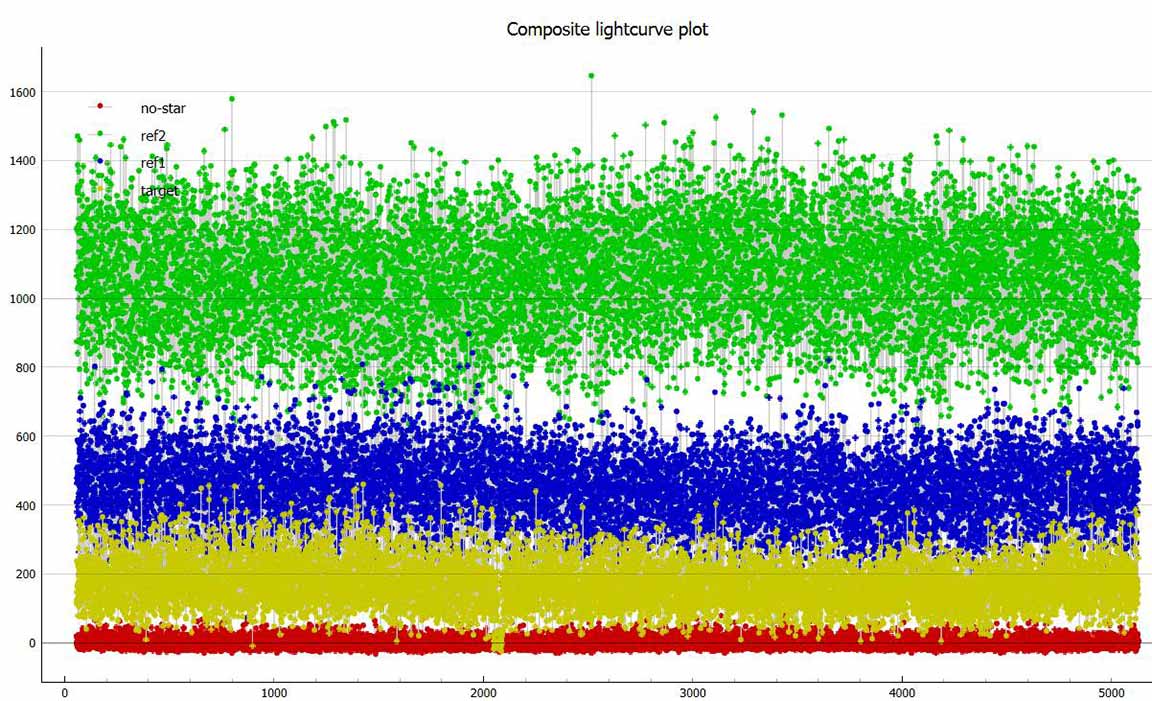
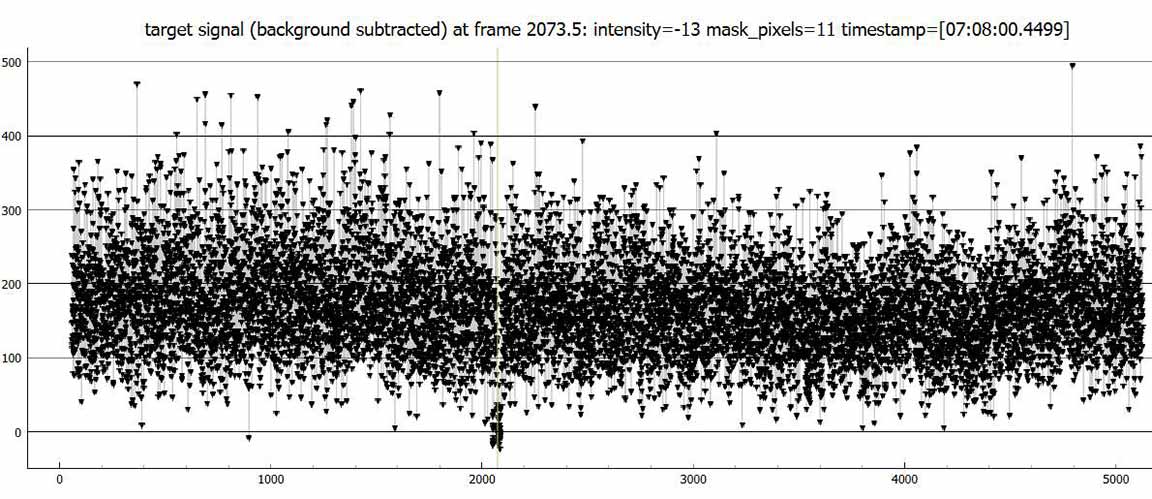
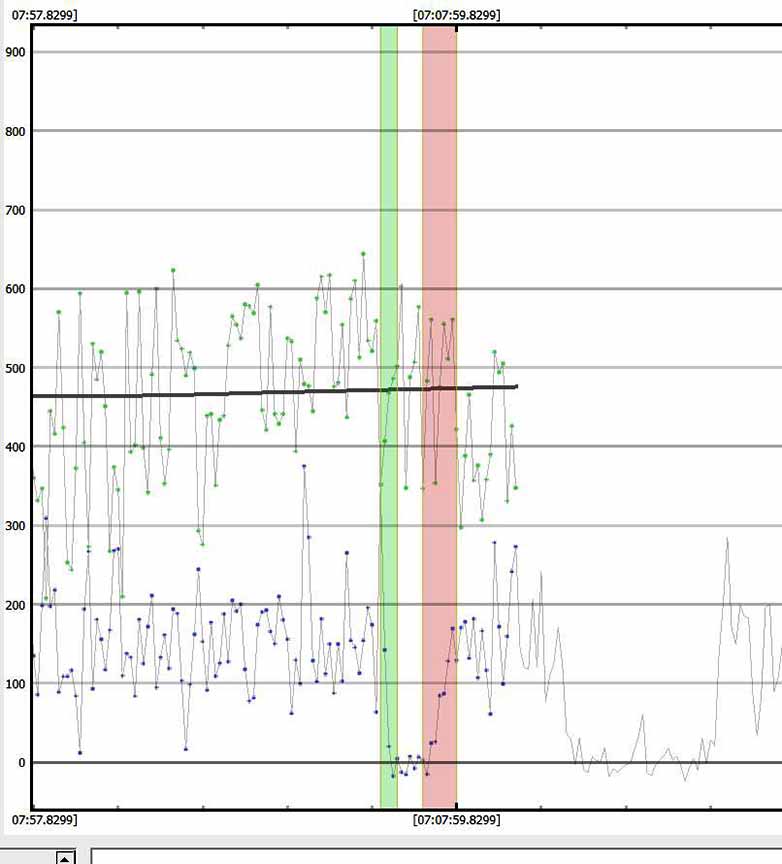
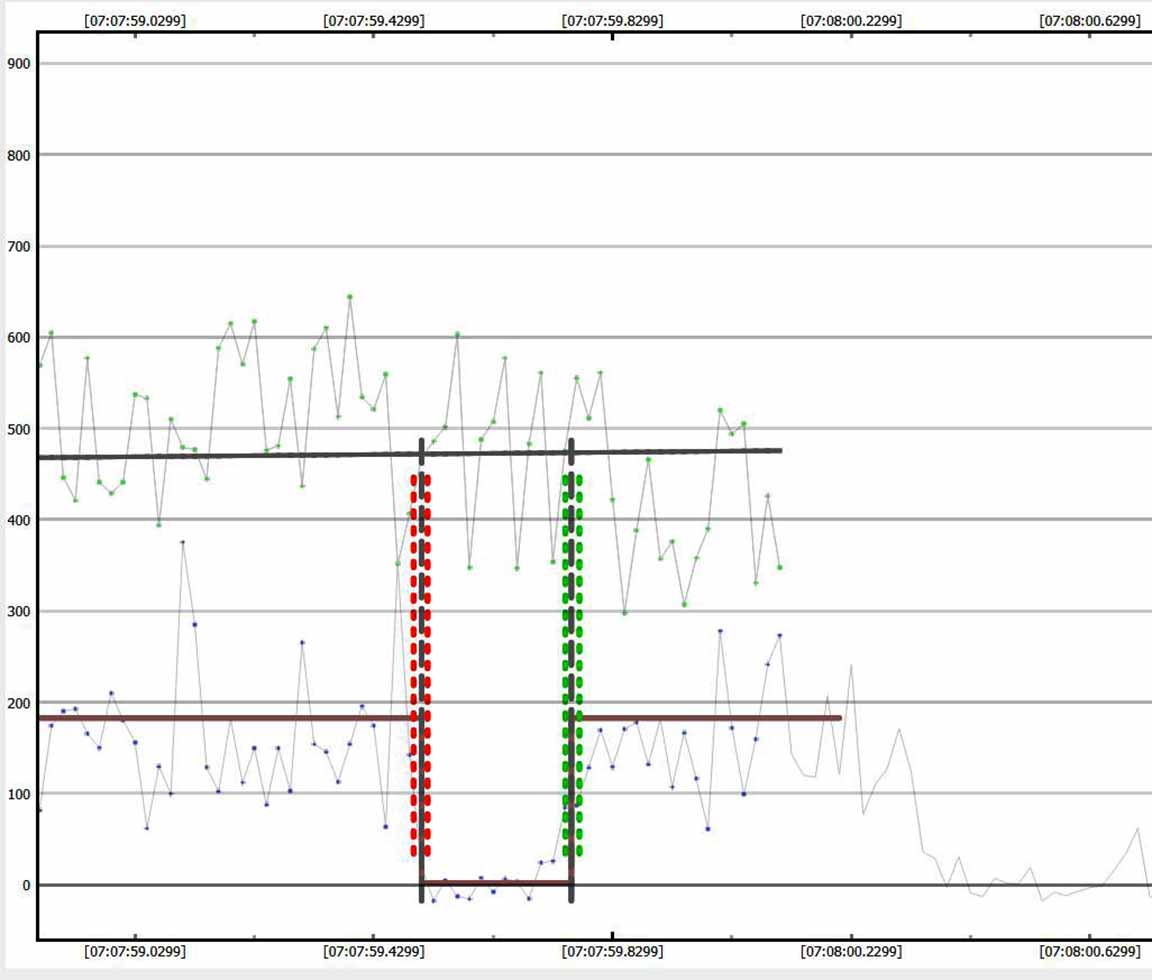
PyMovie reductions: I used static circular masks on each star, processed in field mode, used horizontal and vertical median filtering on the chip. In PyOTE I used the closer of the two reference stars for calibration, minimizing the metric interval (all of the recording except around the occultations) in X and then in Y. Then let PyOTE find the occultations by first trimming out one and then the other occultation so it would find the chosen event to characterize.
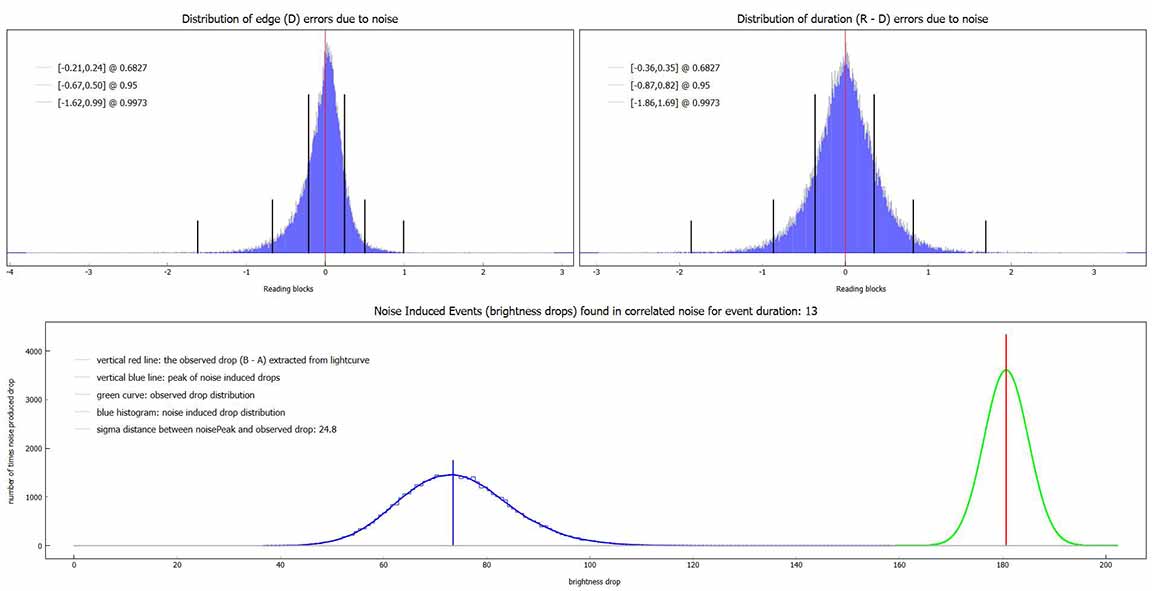
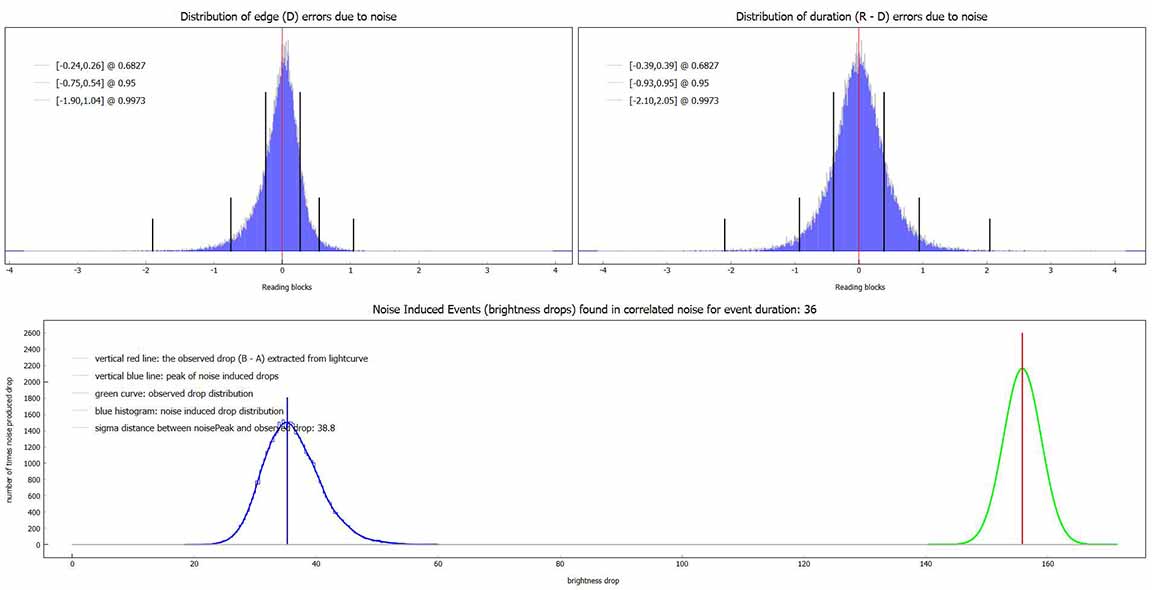
NIE test: 24.9 sigma
magDrop report: percentDrop: 98.9 magDrop: 4.903 +/- 4.827 (0.95 ci)
DNR: 2.65
D time: [07:07:59.5099]
D: 0.6800 containment intervals: {+/- 0.0048} seconds
D: 0.9500 containment intervals: {+/- 0.0134} seconds
D: 0.9973 containment intervals: {+/- 0.0324} seconds
R time: [07:07:59.7608]
R: 0.6800 containment intervals: {+/- 0.0048} seconds
R: 0.9500 containment intervals: {+/- 0.0134} seconds
R: 0.9973 containment intervals: {+/- 0.0324} seconds
Duration (R - D): 0.2509 seconds
Duration: 0.6800 containment intervals: {+/- 0.0071} seconds
Duration: 0.9500 containment intervals: {+/- 0.0169} seconds
Duration: 0.9973 containment intervals: {+/- 0.0355} seconds
 |
 |
 |
 |
 |
 |
 |
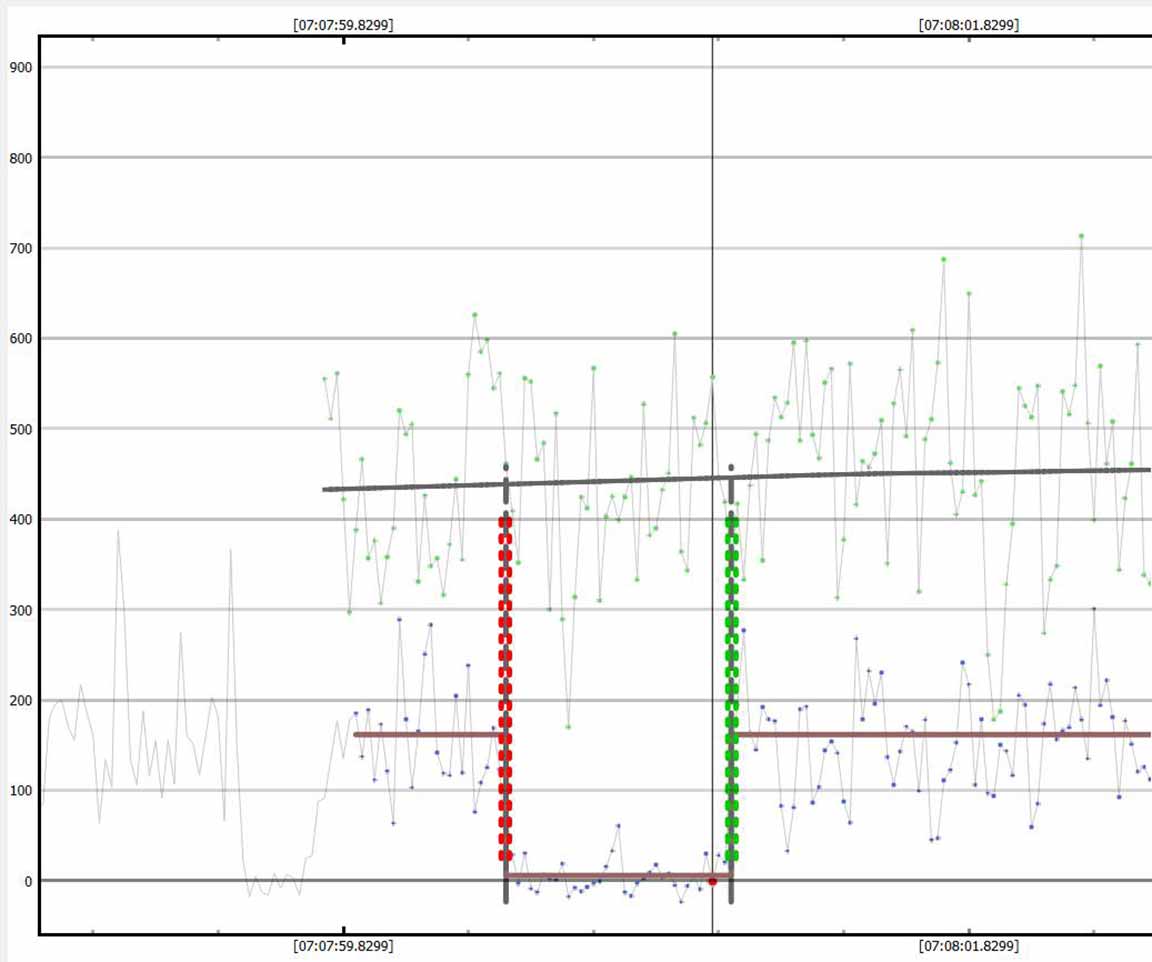
NIE test: 36.8 sigma
magDrop report: percentDrop: 96.4 magDrop: 3.622 +/- 1.154 (0.95 ci)
DNR: 2.68
D time: [07:08:00.3499]
D: 0.6800 containment intervals: {+/- 0.0052} seconds
D: 0.9500 containment intervals: {+/- 0.0151} seconds
D: 0.9973 containment intervals: {+/- 0.0380} seconds
R time: [07:08:01.0699]
R: 0.6800 containment intervals: {+/- 0.0052} seconds
R: 0.9500 containment intervals: {+/- 0.0151} seconds
R: 0.9973 containment intervals: {+/- 0.0380} seconds
Duration (R - D): 0.7200 seconds
Duration: 0.6800 containment intervals: {+/- 0.0079} seconds
Duration: 0.9500 containment intervals: {+/- 0.0187} seconds
Duration: 0.9973 containment intervals: {+/- 0.0415} seconds
This secondary event, the longer of the two, is by the object seen by Kirk Bender and looks to be the primary object.
 |
 |
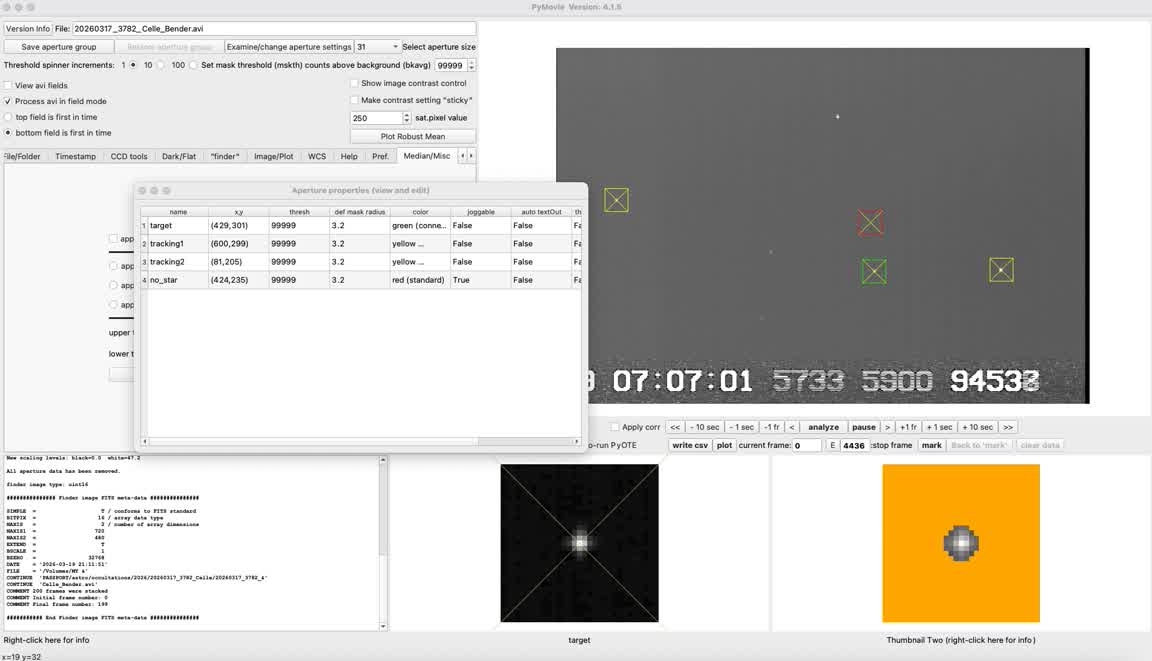
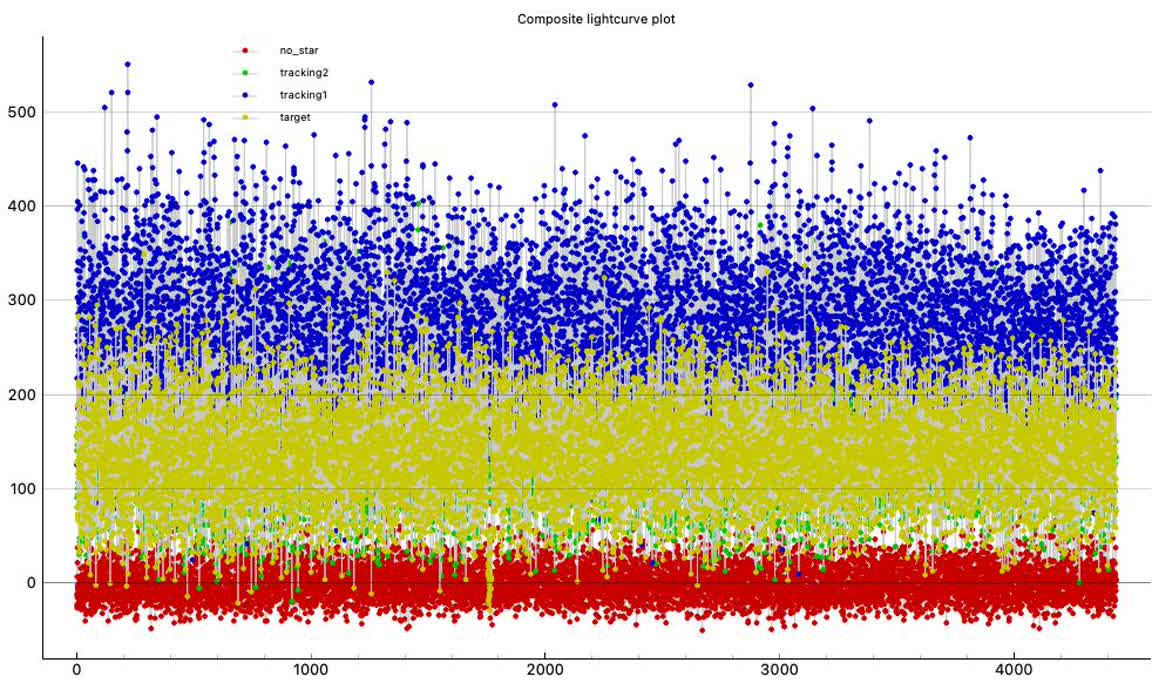
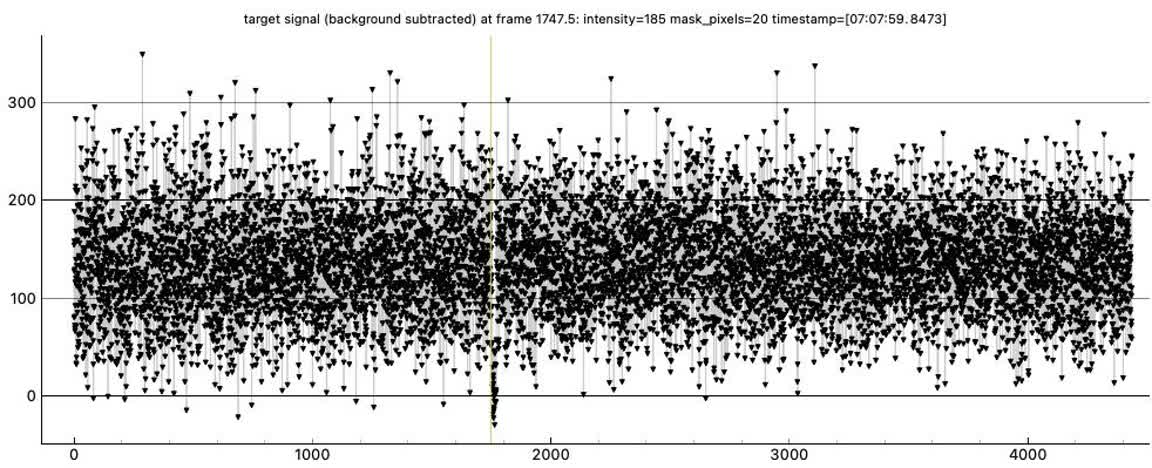
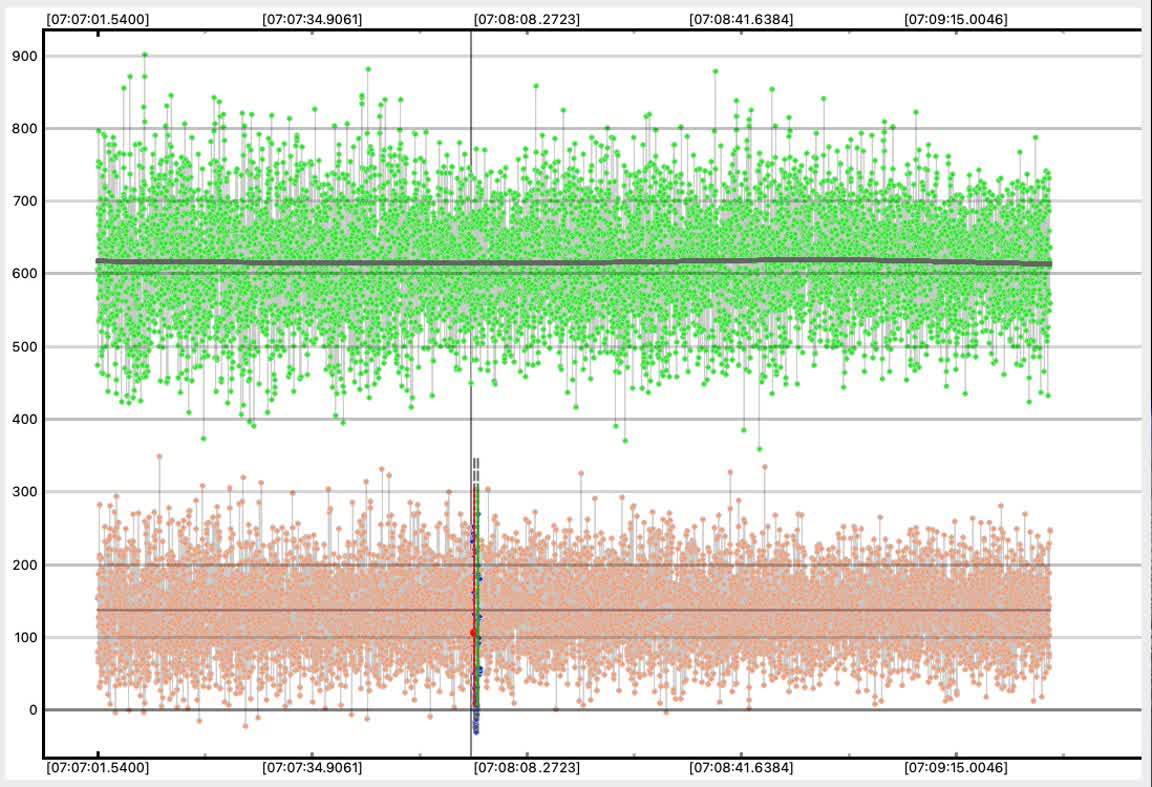
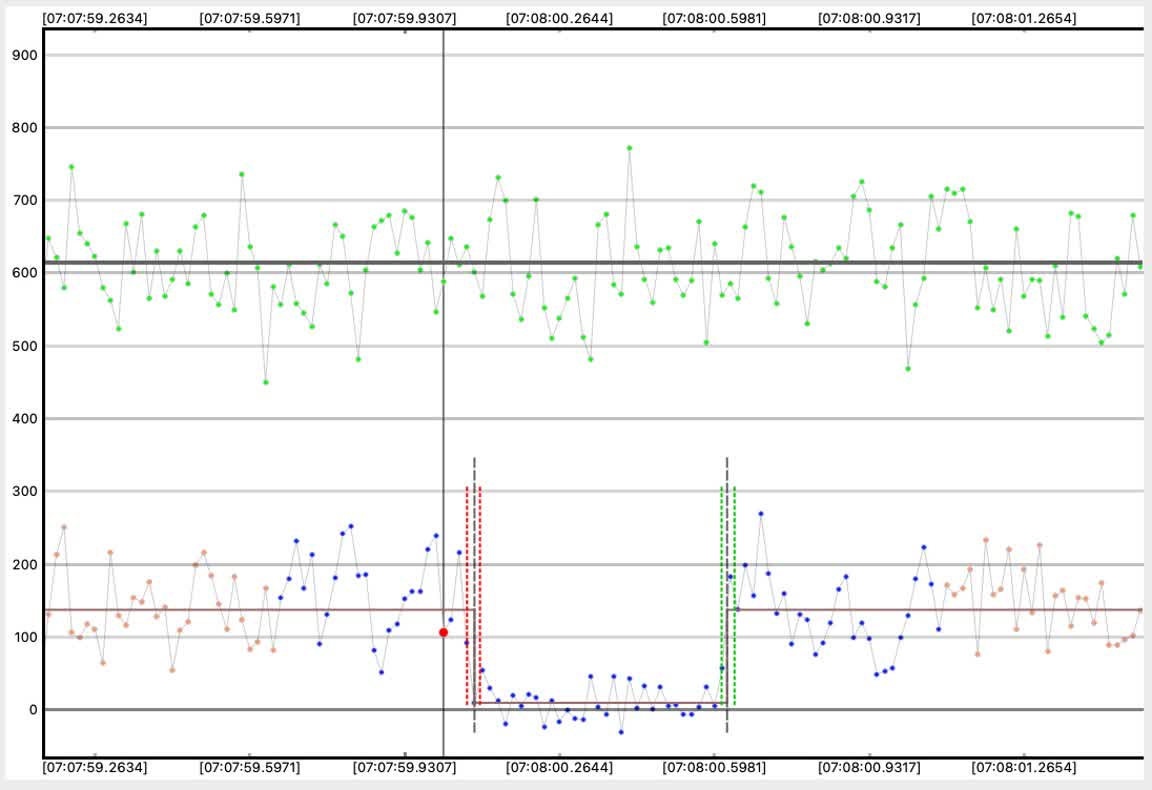
Got a recording of a single event, not double, from closer to the northern limit than RN's site. I got a 0.5442s event for Celle, the binary asteroid, Mar. 17, 1x on Swanton blvd. by Natural Bridges.
No sign of a secondary event.
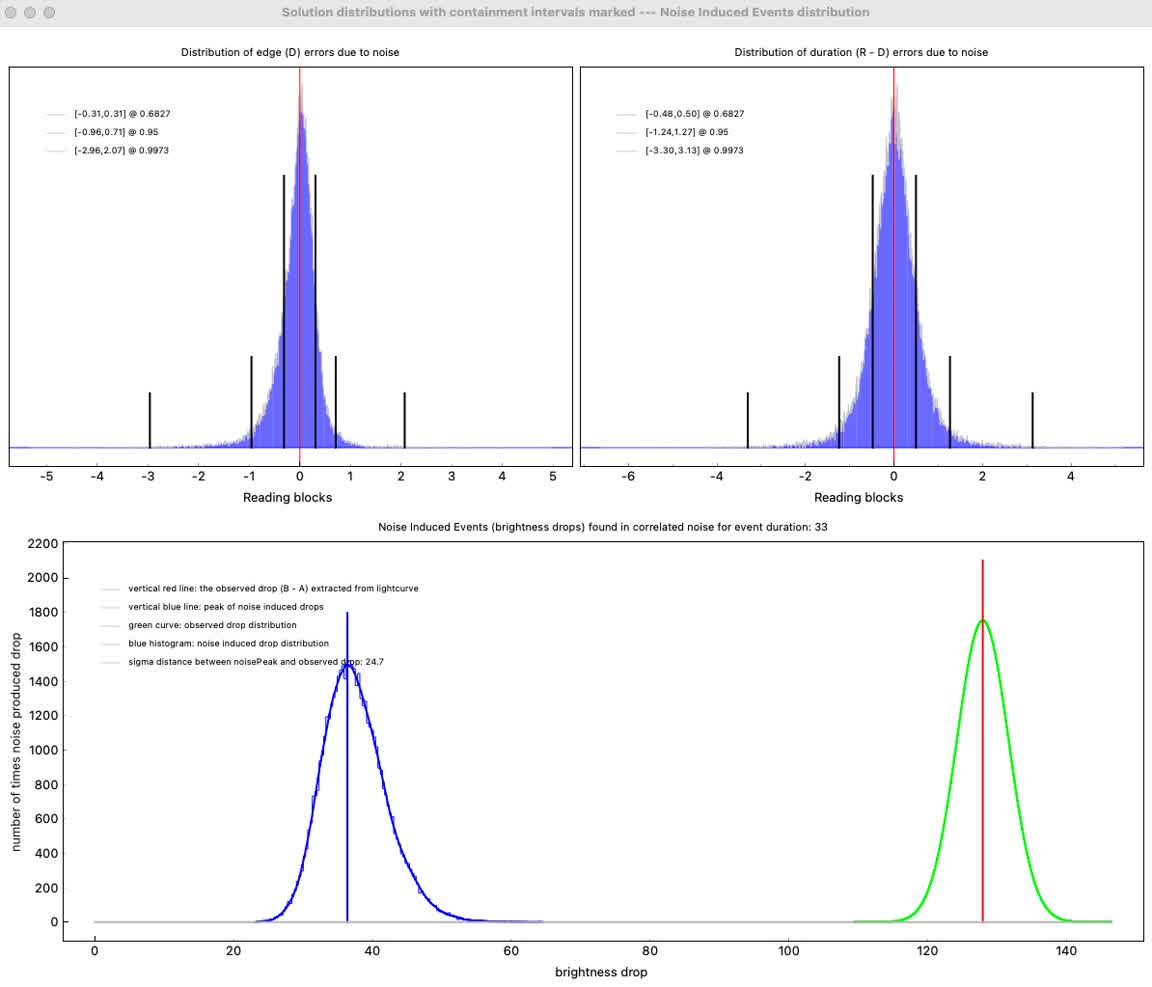
PyOTE NIE sigma distance = 24.7.
magDrop report: percentDrop: 93.1 magDrop: 2.911 +/- 0.866 (0.95 ci)
DNR: 2.54
D time: [07:08:00.0809]
D: 0.6800 containment intervals: {+/- 0.0052} seconds
D: 0.9500 containment intervals: {+/- 0.0160} seconds
D: 0.9973 containment intervals: {+/- 0.0494} seconds
R time: [07:08:00.6251]
R: 0.6800 containment intervals: {+/- 0.0052} seconds
R: 0.9500 containment intervals: {+/- 0.0160} seconds
R: 0.9973 containment intervals: {+/- 0.0494} seconds
Duration (R - D): 0.5442 seconds
Duration: 0.6800 containment intervals: {+/- 0.0082} seconds
Duration: 0.9500 containment intervals: {+/- 0.0209} seconds
Duration: 0.9973 containment intervals: {+/- 0.0537} seconds
 |
 |
 |
 |
 |
 |
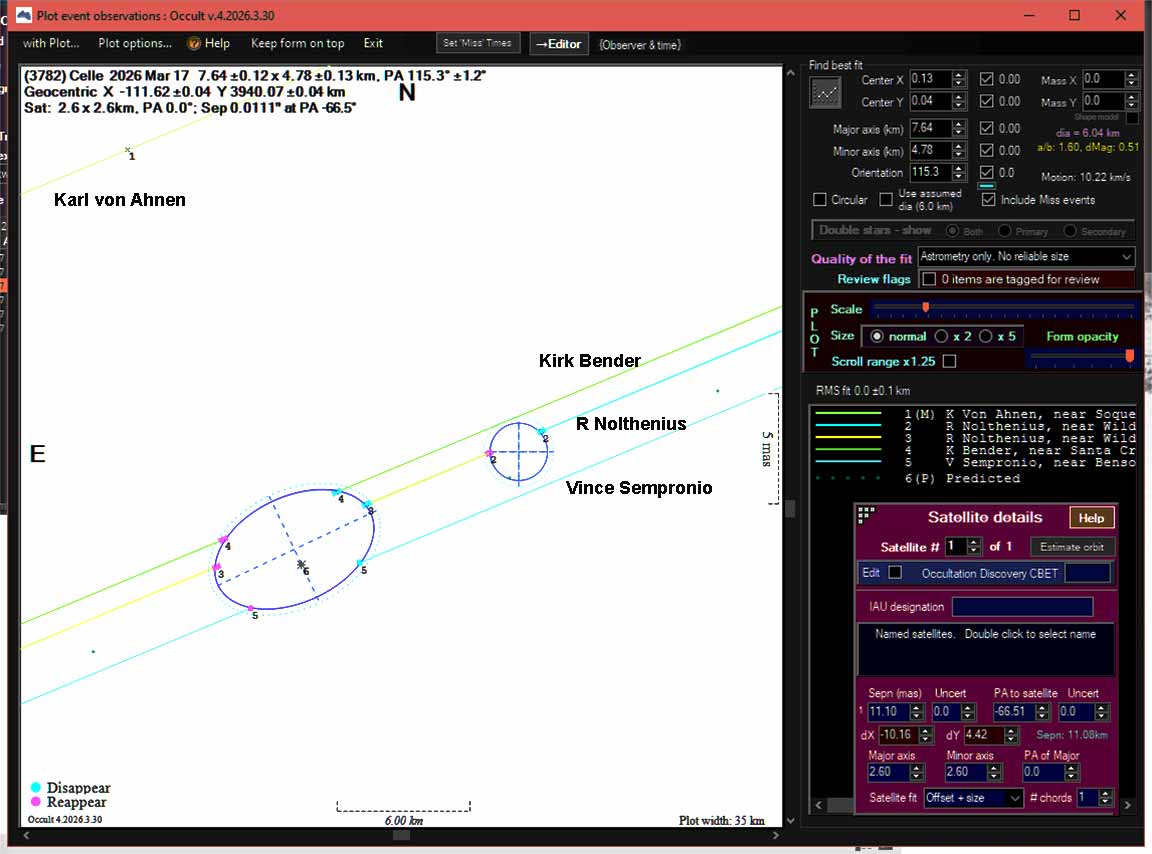
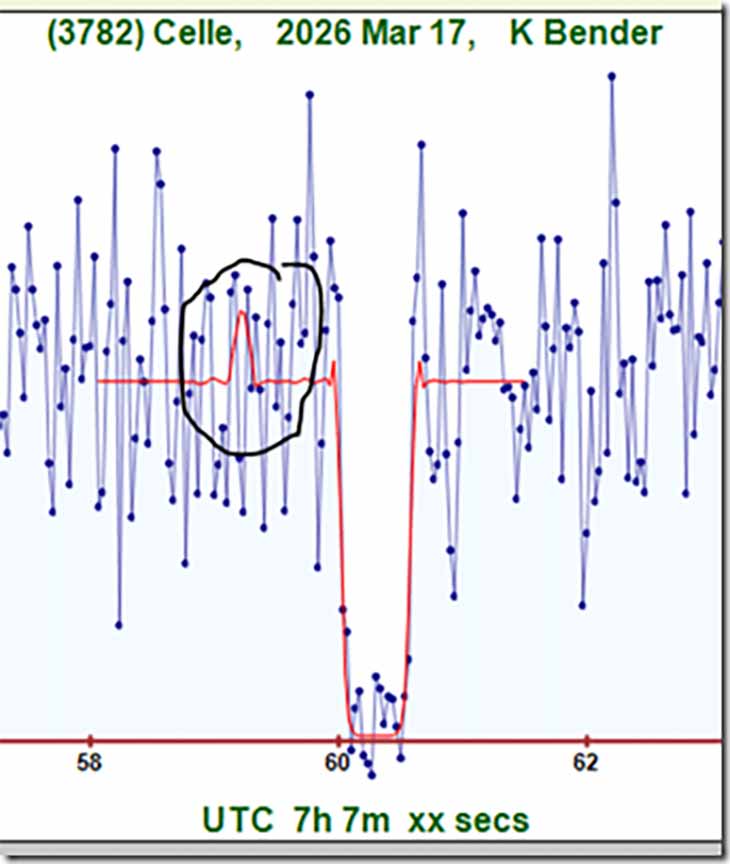
Dave Gault and Dave Herald ran AOTA and OCCULT4 on our data and have these interesting plots. The Sky Plane shows an ellipsoidal primary, and indication of a perhaps ellipsoidal secondary based on the lack of evidence of any event in Kirk's data.
Sky plane projection of the Celle system, from our occultatioions |
Original CBET of the discovery of this object as a binary asteroid |
Dave Herald's AOTA reduction of Kirk Benders data |
DH's AOTA reduction of my data |