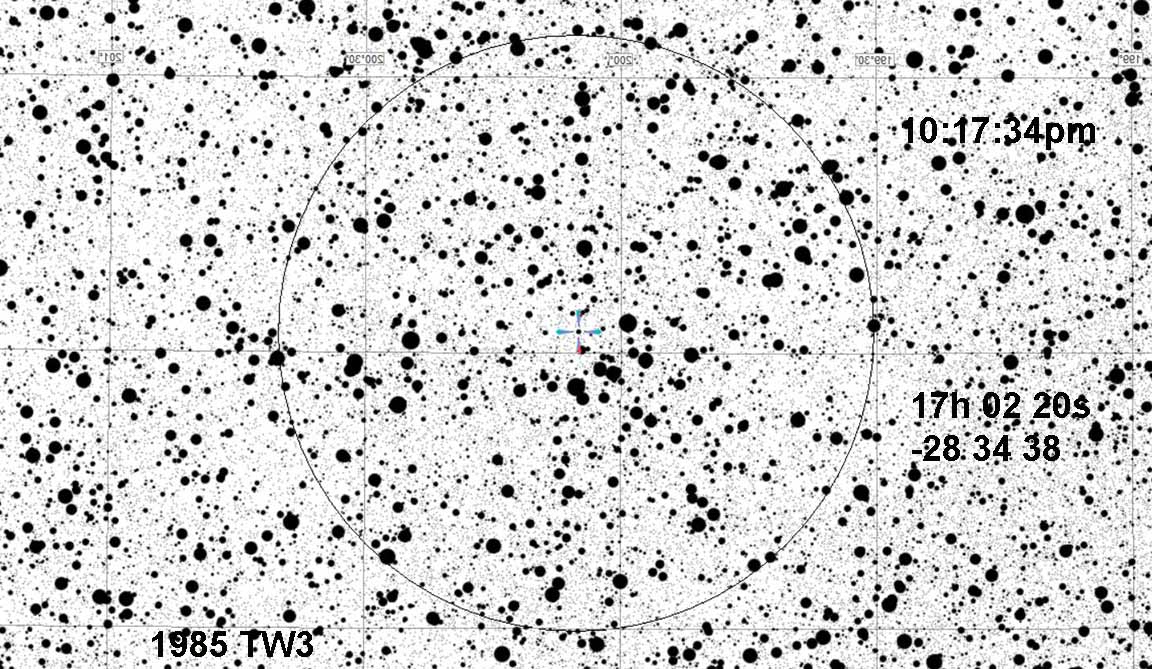
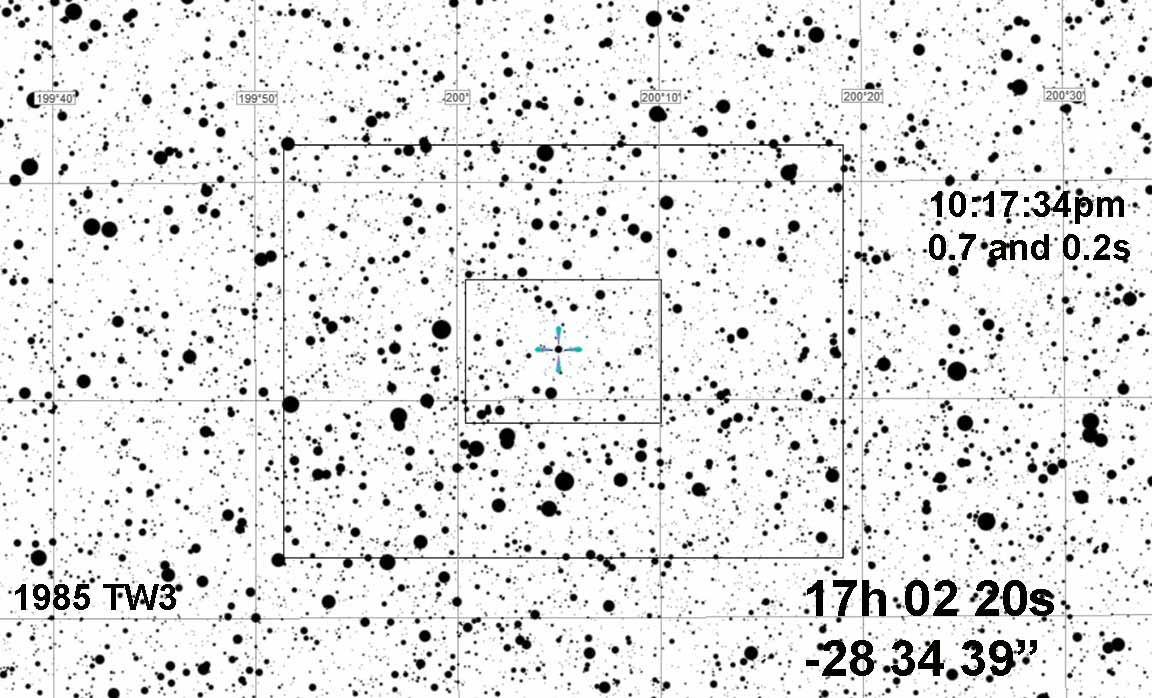
This is a high value event. Discovery credit already goes to photometric work from Higgins, Oley and Pravec (2007). However, I'm not aware of any double occultation observations to confirm it.
The Wikipedia entry is pretty complete. Occultations showing the companion are not yet observed, so properties of the moonlet are assumed as of right now. Gemini gives the following evidence of the binary nature: The favorable thing for us, is that the separation of the two bodies is estimated to be only 8 km, so the odds of getting a secondary occultation are fairly good for us. I have found 4 good station sites along Jolon Road on the north side of Lake San Antonio, if we have 4 observers.
Google Gemini gives the following:
Jolon Road, southern entrance from Hwy 101, gives access to some good sites. I chose 4 sites for up to 4 stations for us, shown on OWc map. The rank of the event is good. The smaller moonlet detection will require short integration. 2x is recommended if the star is bright enough. 4x would still give 2 occulted integrations for the moonlet. The moonlet only provides about 0.18s duration, from the data above. It might be that we'd want to pair up so that one detection of the moonlet would be confirmed by the nearby chord. Perhaps KB + BH, and then RN + Jordan. GoogleMaps says with usual traffic, it's 2hr 10min to our site from my place. Add 15min to xfer gear at Cabrillo, that's 2hr 25min.. If just Kirk and I, deliver Kirk to his site 1hr 10min prior to 10:17pm event time, that's delivery at 9:07pm, minus 2:25 means Kirk/I leave my place at 6:45pm. If more people, add more time.
Alt=20, Az=204 in Ophiuchus, 10 degrees left of Antares.
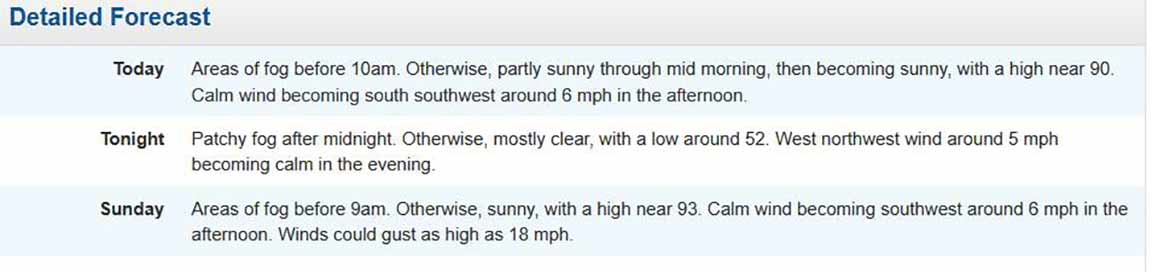
Weather: The marine layer last night was deep, up to about 2,800 ft. The elevation of Jolon Rd is more like 1500 ft and was in the fog last night but only after midnight. It was clear at our site at 10pm event time.The smoke from the Timber Fire looks to be confined to around and north of the fire, mainly in the Monterey Bay area and not that much of it. Still, it means our sky clarity is likely to be less than dry perfect. Wind is predicted to be calm. Screen capture of the NOAA forecast
|
|
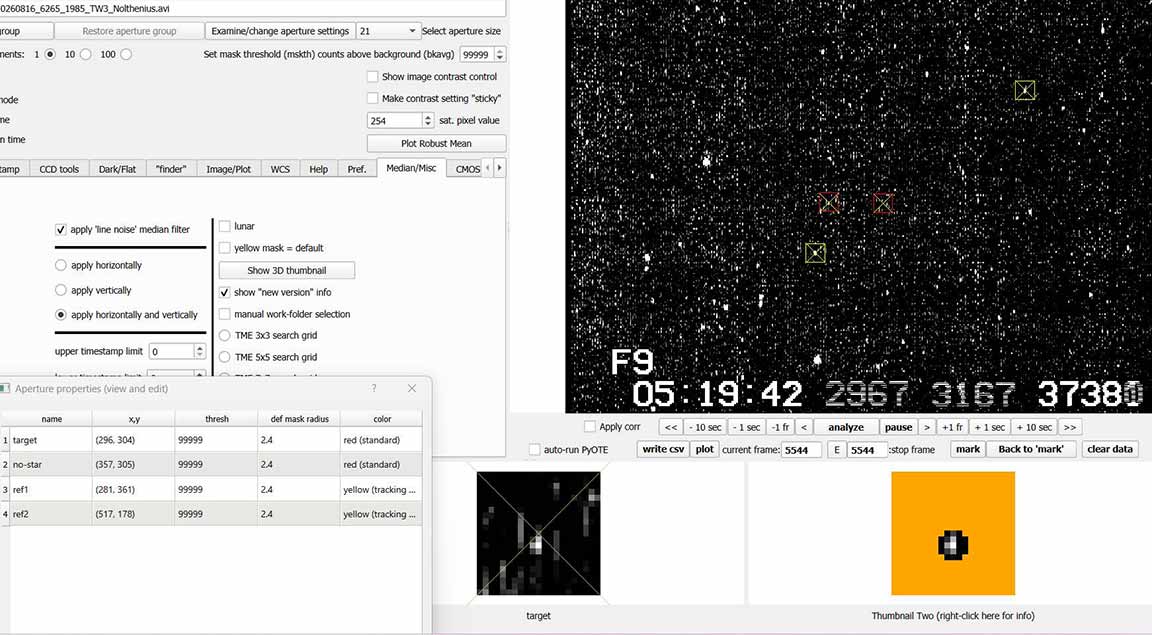
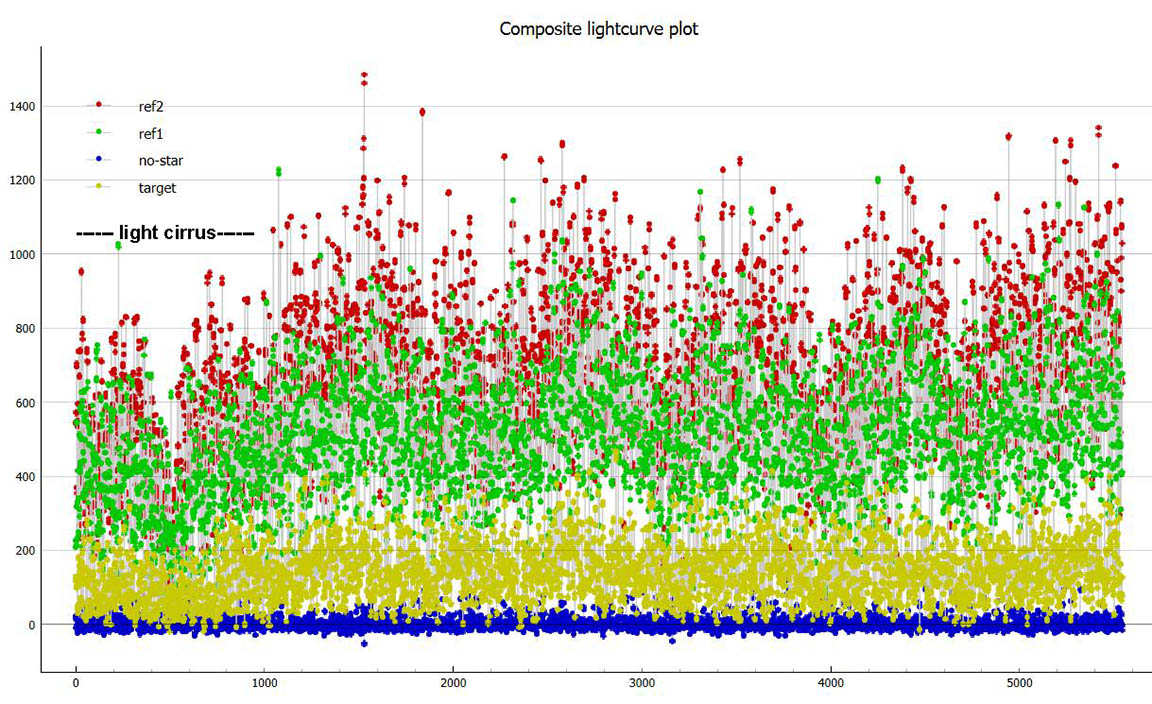
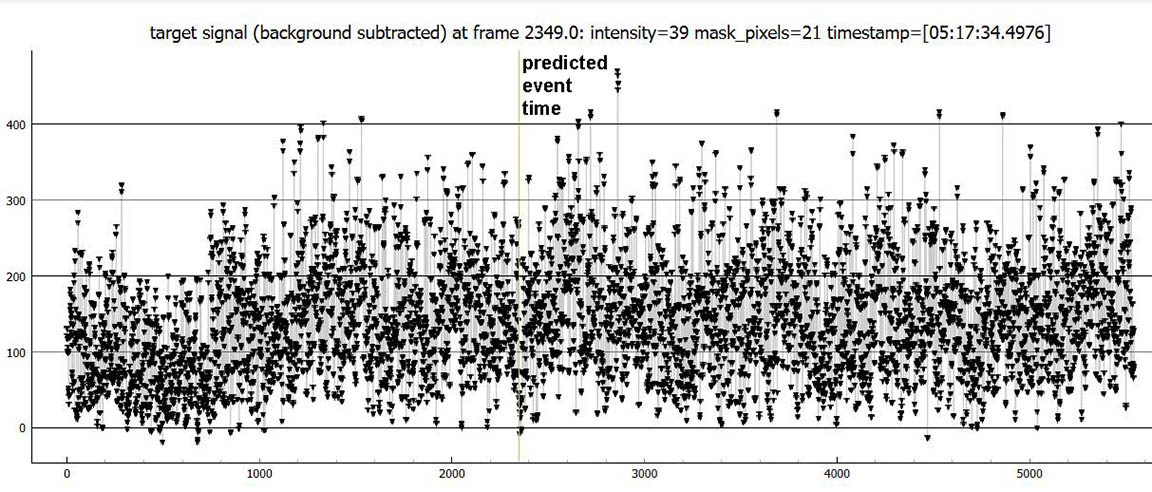
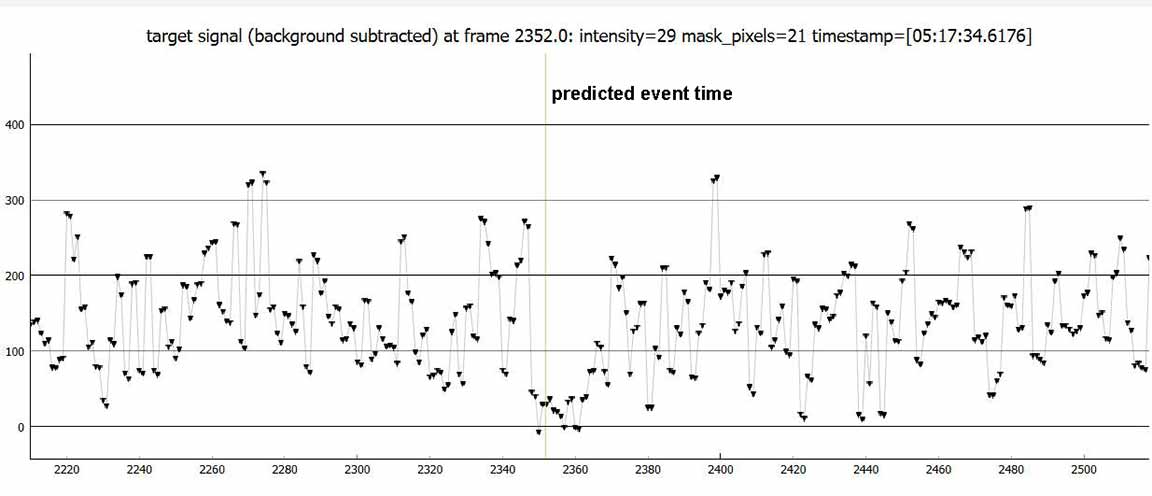
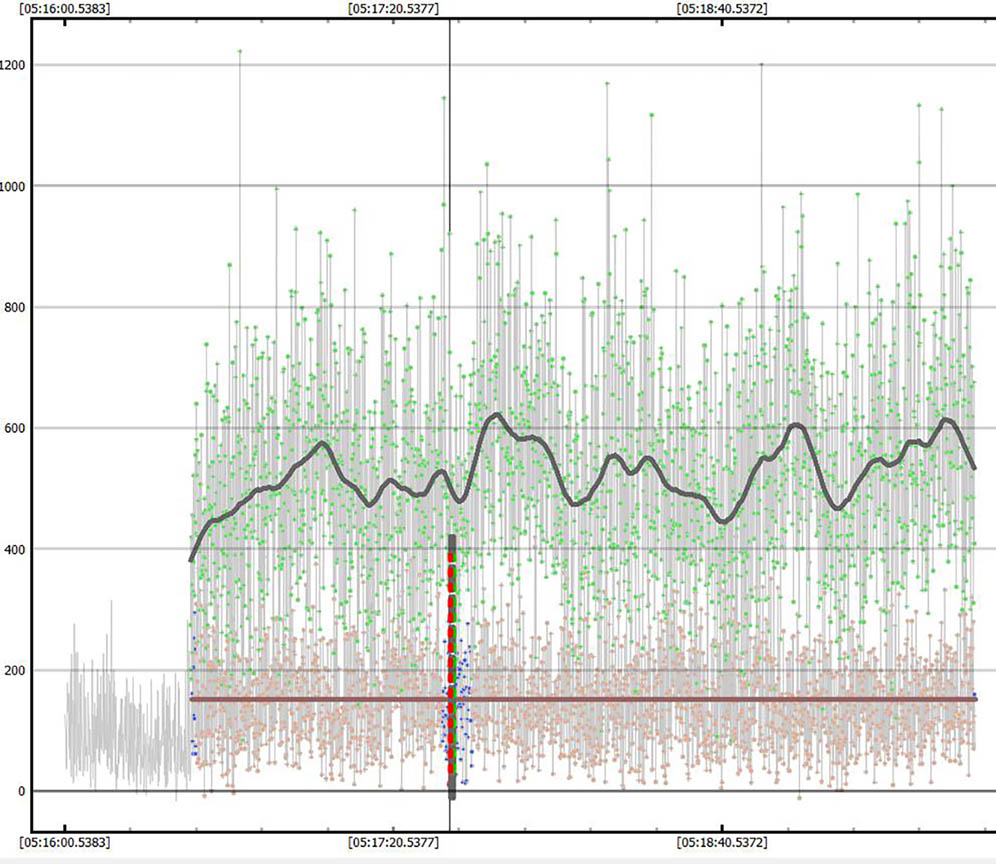
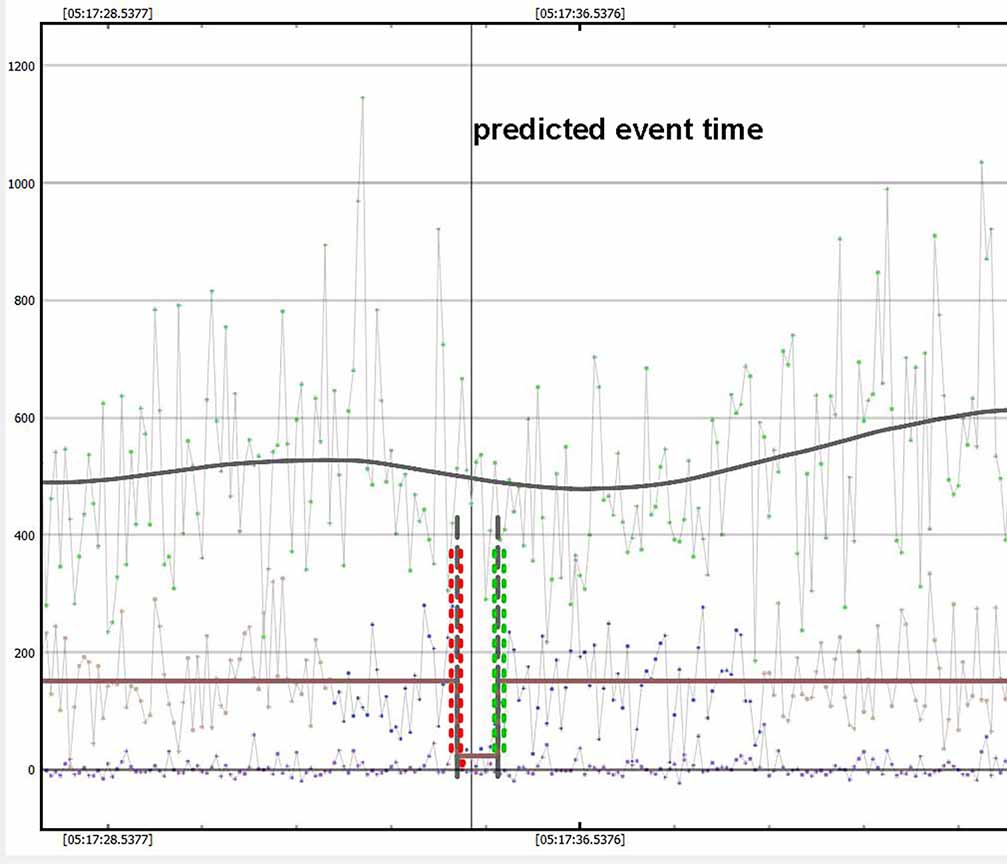
Dark skies, but variable light cirrus apparently persisted after dark, and affected the light curve. The first 30s of the data had to be trimmed as too darkened by a cloud. Otherwise, the target was seen well enough to get a signficant detection right at the predicted time. Not bright enough to detect a 0.18s event for the moonlet, however. No conclusion on the moonlet.
magDrop report: percentDrop: 84.5 magDrop: 2.022 +/- 0.547 (0.95 ci)
DNR: 1.70
D time: [05:17:34.4576]
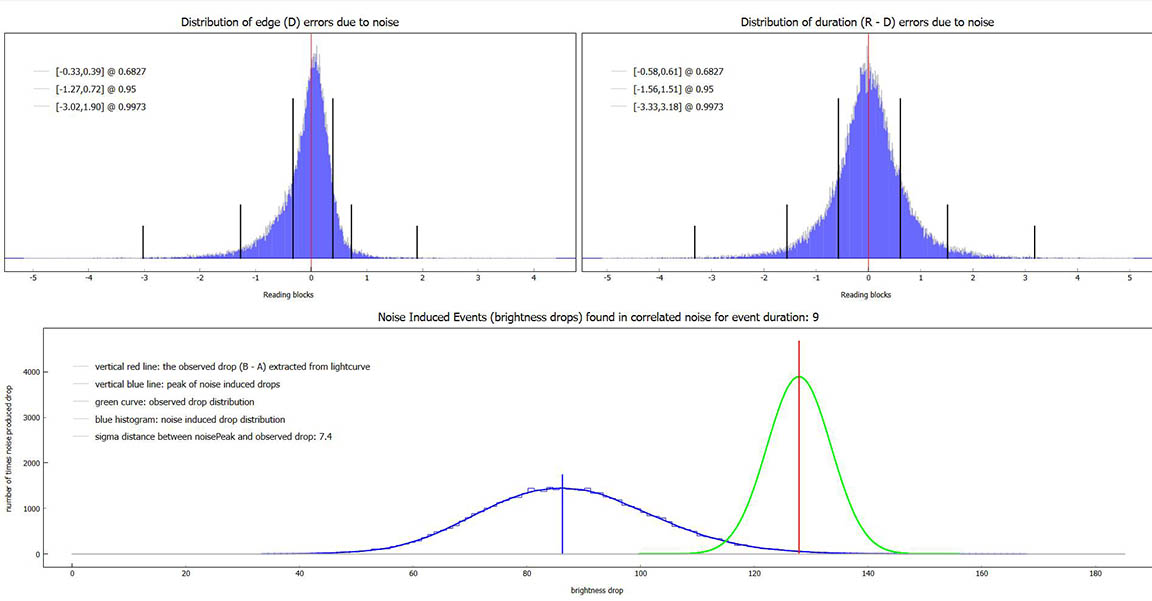
D: 0.6800 containment intervals: {+/- 0.0311} seconds
D: 0.9500 containment intervals: {+/- 0.1017} seconds
D: 0.9973 containment intervals: {+/- 0.2418} seconds
R time: [05:17:35.1439]
R: 0.6800 containment intervals: {+/- 0.0311} seconds
R: 0.9500 containment intervals: {+/- 0.1017} seconds
R: 0.9973 containment intervals: {+/- 0.2418} seconds
Duration (R - D): 0.6863 seconds
Duration: 0.6800 containment intervals: {+/- 0.0474} seconds
Duration: 0.9500 containment intervals: {+/- 0.1230} seconds
Duration: 0.9973 containment intervals: {+/- 0.2603} seconds
 |
 |
 |
 |
 |
 |
 |
 |
 |
 |
 |
 |
 |
 |
 |
 |
 |